
 01
01
Selective Handpicking
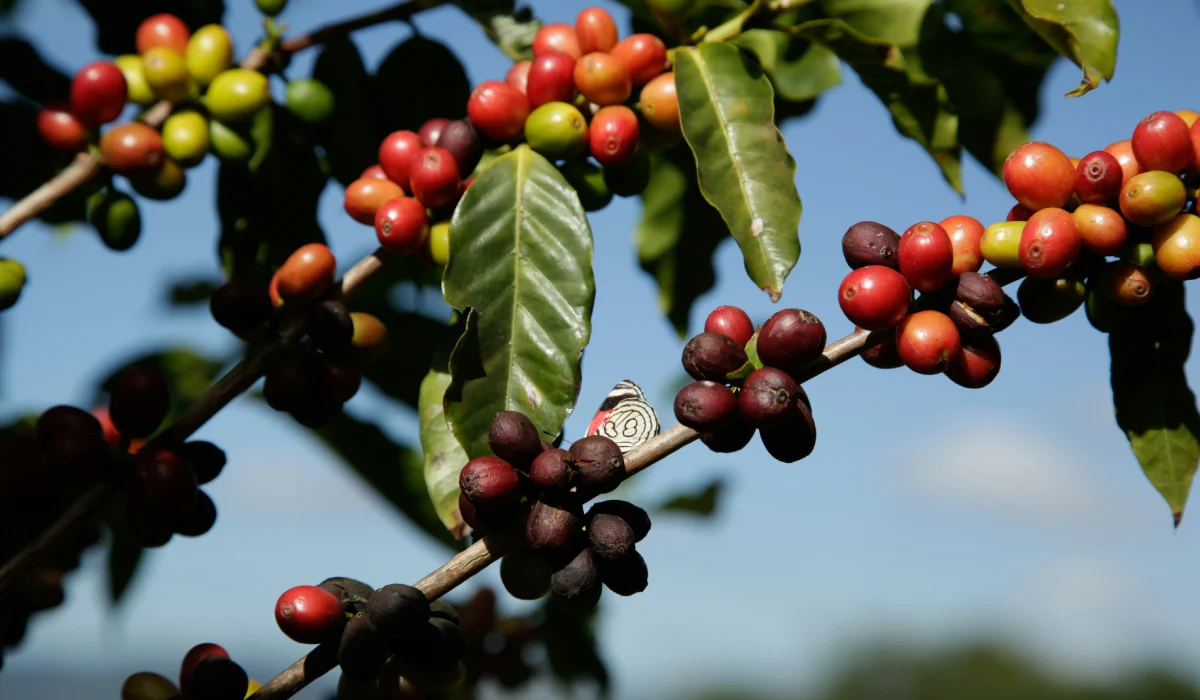
Only ripe cherries are carefully selected by trained farmers.
Maytac Coffee Collection
From high-altitude origins to export-grade consistency, Maytac presents coffee through region, grade, and speciality narratives that help ambitious buyers stay engaged and move with confidence.
Collection Scale
28
Products
5
Regions
9
Grades
6
Roasted
Why Maytac?
We work closely with farmers, cooperatives, and millers to ensure consistency, traceability, and exceptional cup profiles that reflect Kenya’s rich coffee heritage.
Why trust us?
We bridge the gap between local coffee producers and global buyers by leveraging our deep understanding of the Nairobi Coffee Exchange (NCE) and international market trends.
Why this feels premium
Instead of dropping buyers into isolated sections, the page now introduces a stronger brand frame and then guides them into product, region, grade, and speciality exploration.
About Us
MAYTAC International Partners is a Kenyan-based coffee marketing and export company dedicated to sourcing, processing, and supplying high-quality Kenyan coffee to international markets. We work closely with farmers, cooperatives, and millers to ensure consistency, traceability, and exceptional cup profiles that reflect Kenya's rich coffee heritage.
We bridge the gap between local coffee producers and global buyers by leveraging our deep understanding of the Nairobi Coffee Exchange (NCE) and international market trends. We ensure that every shipment tells the story of Kenya’s rich terroir while delivering reliable, ethical, and profitable outcomes for our partners at every stage of the supply chain.
Every cherry follows a meticulous fully washed process designed to preserve clarity, complexity, and the distinctive character of every coffee we produce.
01
Only ripe cherries are carefully selected by trained farmers.
 02
02
Under and over-ripe cherries are removed at intake.
 03
03
Pulpers gently remove the outer skin from the cherries.
 04
04
Fermented for 12–24 hours to naturally break down mucilage.
 05
05
Soaked for up to 24 hours to enhance final cup quality.
 06
06
Dried for 7–21 days with frequent turning for even moisture - to achieve an optimal moisture content between 10.5% and 11.5%. For more on quality standards and post-harvest procedures, visit the Specialty Coffee Association.
 07
07
From carefully selected cherry to the finished cup.
 08
08
A process designed to reveal the coffee's natural character.
Featured
Eastern Region · Coffee Grade AA
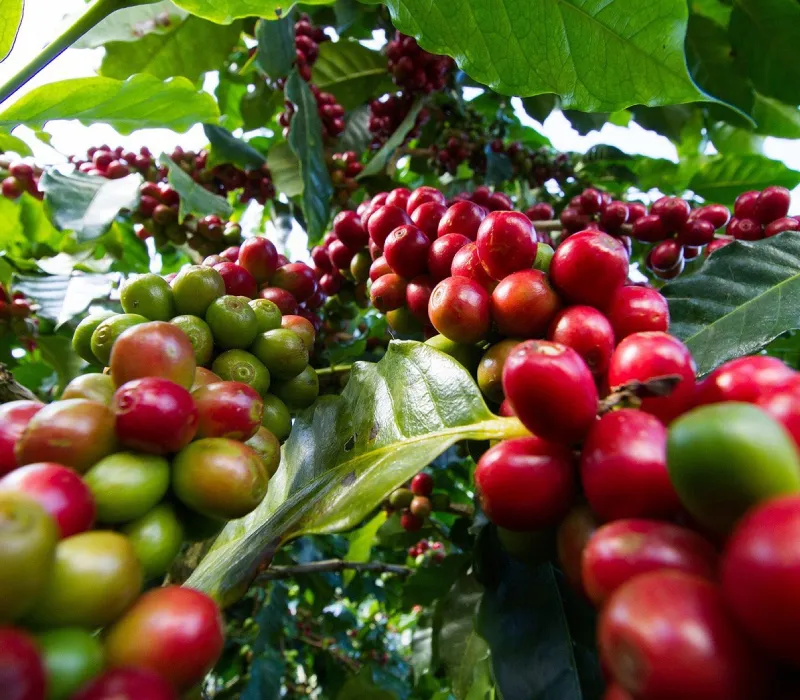
Embu Arabica AA is a premium, single-origin specialty coffee cultivated along the southeastern slopes of Mount Kenya in Embu County. Grown at elevations between 1,500 and 2,000 meters above sea level, this exceptional coffee benefits from fertile red volcanic soil, steady equatorial sunshine, and cool mountain air.
Eastern Region · Coffee Grade AB
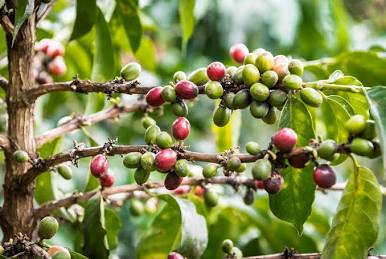
Embu Arabica AB is a premier grade of specialty Kenyan coffee grown along the fertile slopes of Mount Kenya in Embu County. Cultivated at high altitudes in nutrient-dense volcanic soil, this washed Arabica coffee offers vibrant phosphoric acidity, a syrupy body, and complex sensory notes of blackcurrant, citrus, and cane sugar.
Eastern Region · Coffee Grade C
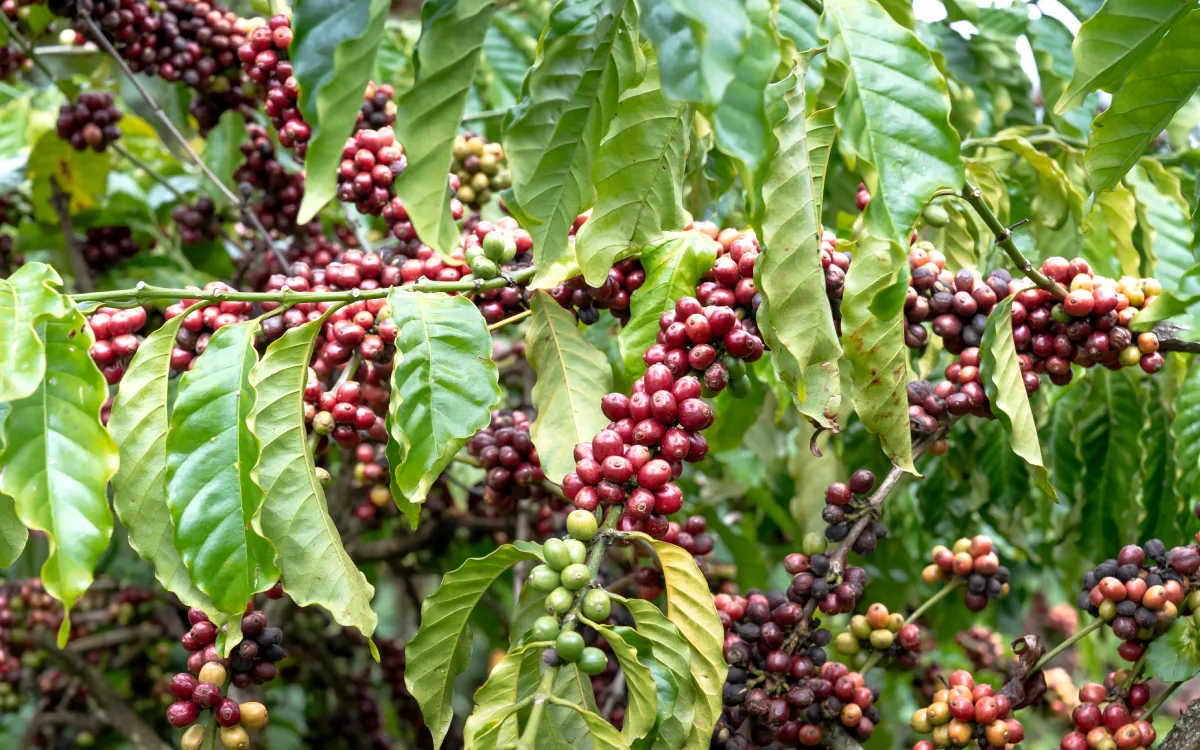
Embu Arabica C is a versatile, smaller-screen Kenyan green coffee grown on the nutrient-rich volcanic slopes of Mount Kenya in Embu County. Fully washed and double-fermented, this grade offers an exceptional balance of bright citrus acidity, sweet chocolate undertones, and outstanding value for commercial roasters and espresso blend components.
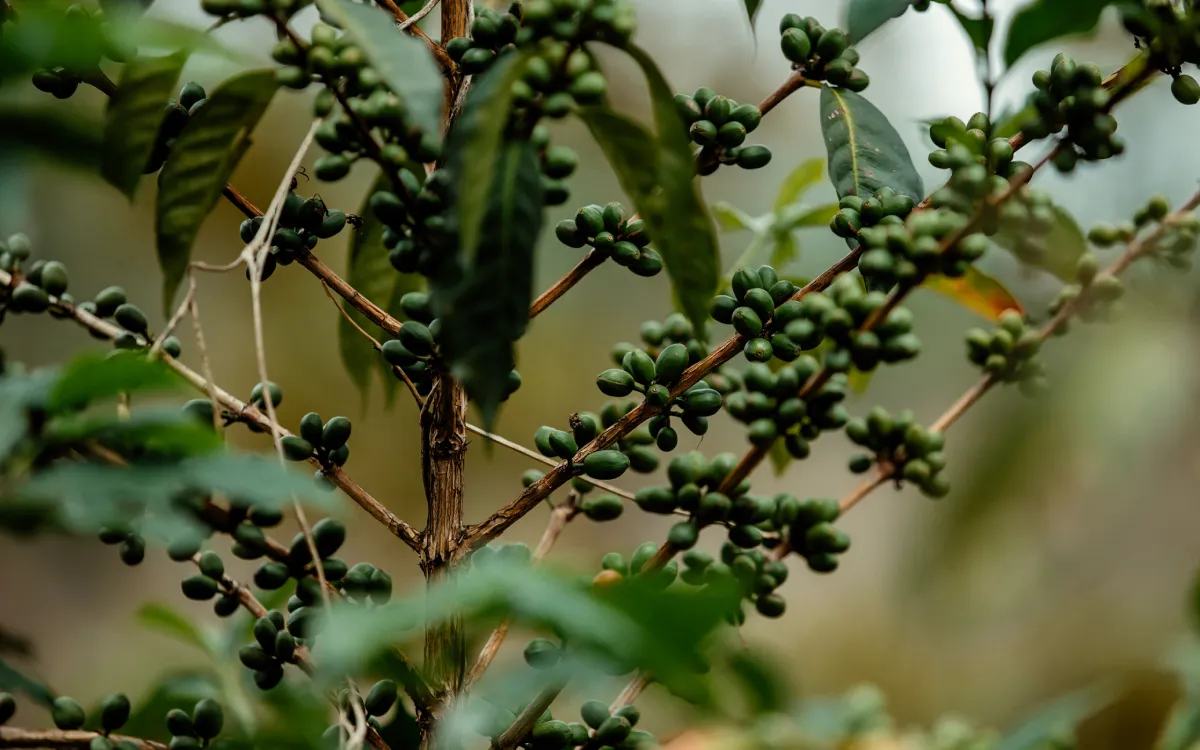
Eastern Region · Coffee Grade PB (Peaberry)
Embu Arabica PB is a highly prized Peaberry specialty coffee grown on the high-altitude volcanic slopes of Mount Kenya in Embu County. Originating from naturally mutated single-seed cherries, this dense, oval-shaped green coffee delivers an exceptionally sweet, concentrated cup profile featuring bright blackberry acidity, floral aromatics, and rich caramel sweetness.
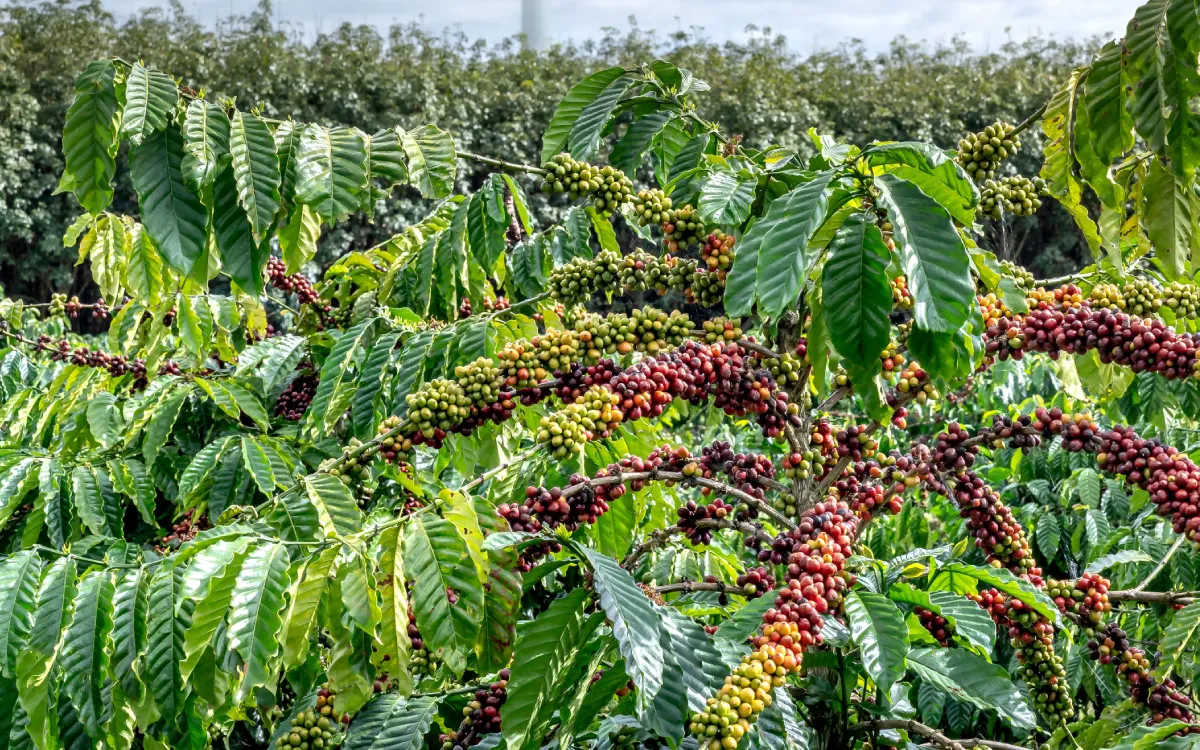
Kenya Rift Valley Coffee · Coffee Grade AA
Kericho Arabica AA is an extraordinary grade of specialty green coffee cultivated in the lush, high-altitude highlands of Kericho County, west of the Great Rift Valley. Screen 17/18 sorted, this fully washed Arabica offers a distinctive cup profile featuring bright malic acidity, blackcurrant fruitiness, creamy body, and sweet herbal complexity.
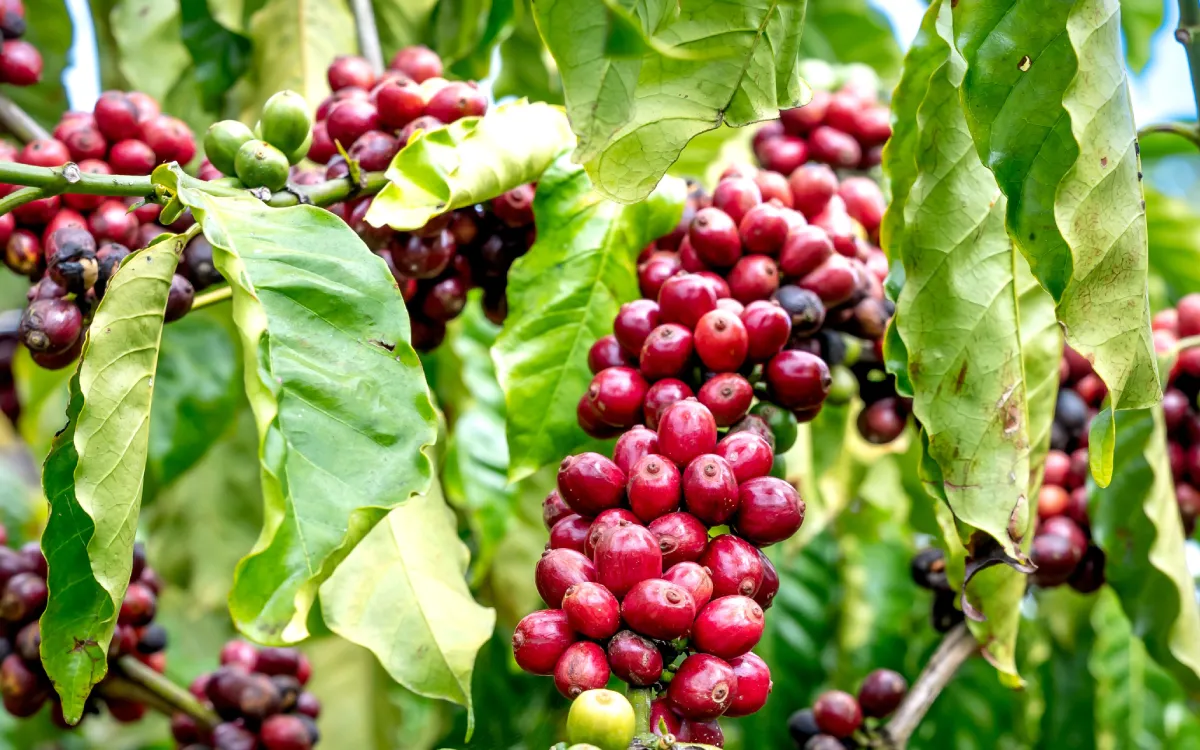
Kenya Rift Valley Coffee · Coffee Grade AB
Kericho Arabica AB is a premier grade of specialty green coffee cultivated in the fertile highlands of Kericho County, west of the Great Rift Valley. Combining screen 15 and 16 beans, this fully washed Arabica offers crisp malic acidity, smooth caramel sweetness, and rich dark berry complexity for roasting programs.
Origin
Kenya’s Central Region stands as the beating heart of the nation’s coffee industry, producing the majority of the country’s most celebrated specialty coffees. With more than 600,000 smallholder farmers farming fewer than 5 acres each, composing 99% of the coffee farming population, this region delivers beans that are revered worldwide for their bright acidity, complex fruit-forward profiles, and exceptional cup clarity. Their farms cover more than 75% of total coffee growing land and produce nearly 70% of the country’s coffee. The Central Highlands: encompassing Kiambu, Murang’a, Kirinyaga, and Nyeri counties—benefit from fertile volcanic soils, high altitudes ranging from 1,200 to 2,300 meters above sea level, and a temperate climate with moderate rainfall. These conditions create the ideal environment for cultivating Kenya’s legendary Arabica coffees.
Eastern Kenya represents one of the most compelling and historically significant coffee-growing regions in the world. It was here, in the foothills of Mount Kenya, that indigenous Kenyans first began cultivating coffee in the early 1930s—paving the way for the more than 600,000 smallholder farmers who grow coffee in Kenya today.
Kenya’s Rift Valley is the country's fastest-growing coffee-producing region. Led by Kericho, Nakuru, Nandi, Bomet, Trans Nzoia, Uasin Gishu, and Baringo, this region combines fertile volcanic soils and high altitudes (1,200–2,100m) to yield specialty Arabica coffee. Known for bright citric acidity, full body, and fruit-forward flavor profiles, Rift Valley coffee represents the next frontier in Kenyan specialty origin.
Quality
Coffee Grade AA represents one of the highest tiers of green coffee beans available on the global market, particularly within iconic origin regions like Kenya and East Africa. Classified by physical screen size, Grade AA beans pass through a Screen 18 mesh (retained at 7.14 millimeters), ensuring they are the largest and most uniform in any given harvest. Because larger, fully developed coffee cherries absorb more nutrients from the coffee tree during growth, Grade AA beans consistently deliver an exceptional cup profile characterized by bright, complex acidity, a full body, and distinct fruity or floral notes. Due to their strict sizing, exceptional physical presentation, and rich flavor complexity, Grade AA coffees command top bidding prices at regional coffee auctions and remain the premier choice for specialty roasters, coffee importers, and discerning connoisseurs worldwide seeking uncompromised origin characteristics.
Coffee Grade AB represents one of the most versatile, reliable, and widely traded green coffee classifications in the specialty coffee industry. Formed by combining screen sizes 16 and 17, Grade AB coffee consists of medium-to-large beans retained between 6.35 mm and 6.75 mm mesh sizes. Originating primarily from renowned East African coffee-producing regions like Kenya and Tanzania, this grade strikes an exceptional balance between high physical quality and commercial availability.
Coffee Grade C represents the smaller physical size spectrum of washed green coffee beans separated during dry mill processing. Classified primarily by screen size—typically passing through Screen 15 and retained on Screens 10 through 14—Grade C consists of smaller, lighter beans that do not meet the strict screen dimensions of Grades AA or AB. Despite their smaller physical stature, Grade C beans originate from the exact same high-altitude trees, fertile soils, and meticulous wet-milling processes as their larger counterparts.
Shop
Named after a peak on Mount Kenya, Batian Ember is a full-bodied medium-dark roast from the renowned coffee-growing slopes of Nyeri. Featuring the classic SL28, SL34, and Batian varieties, this traditionally washed Kenyan coffee delivers a rich symphony of berry, caramel, blackcurrant, and cocoa notes. Roasted at 228°C to achieve the perfect balance between brightness and depth, Batian Ember is for those who appreciate a bold, complex cup with a lingering finish.
Caramelo, meaning candy or caramel in Spanish and Portuguese is a distinctive blend uniting Kericho from Kenya, Rift Valley with Nyeri from the Central region. This medium-dark roast combines four varieties (SL28, SL34, Ruiru 11 & Batian) and two processing methods: natural sun-dried from Kericho and fully washed from Nyeri. Roasted at 225°C, Caramelo delivers a full-bodied cup with fruity, floral, spicy, and bright notes, culminating in a beautifully balanced, long-lingering finish.
Gizamu is derived from Giza Tamu meaning Dark Chocolate. It is a bold dark roast from Kenya, Western region. Grown in Trans Nzoia and featuring Ruiru 11 and Batian varieties, this traditionally washed coffee is roasted at 230°C to unlock deep dark chocolate, caramel, and honey notes. Full-bodied and intensely satisfying, Gizamu is the ultimate choice for those who crave a powerful, chocolate-forward cup.
Client Reviews
Editorial
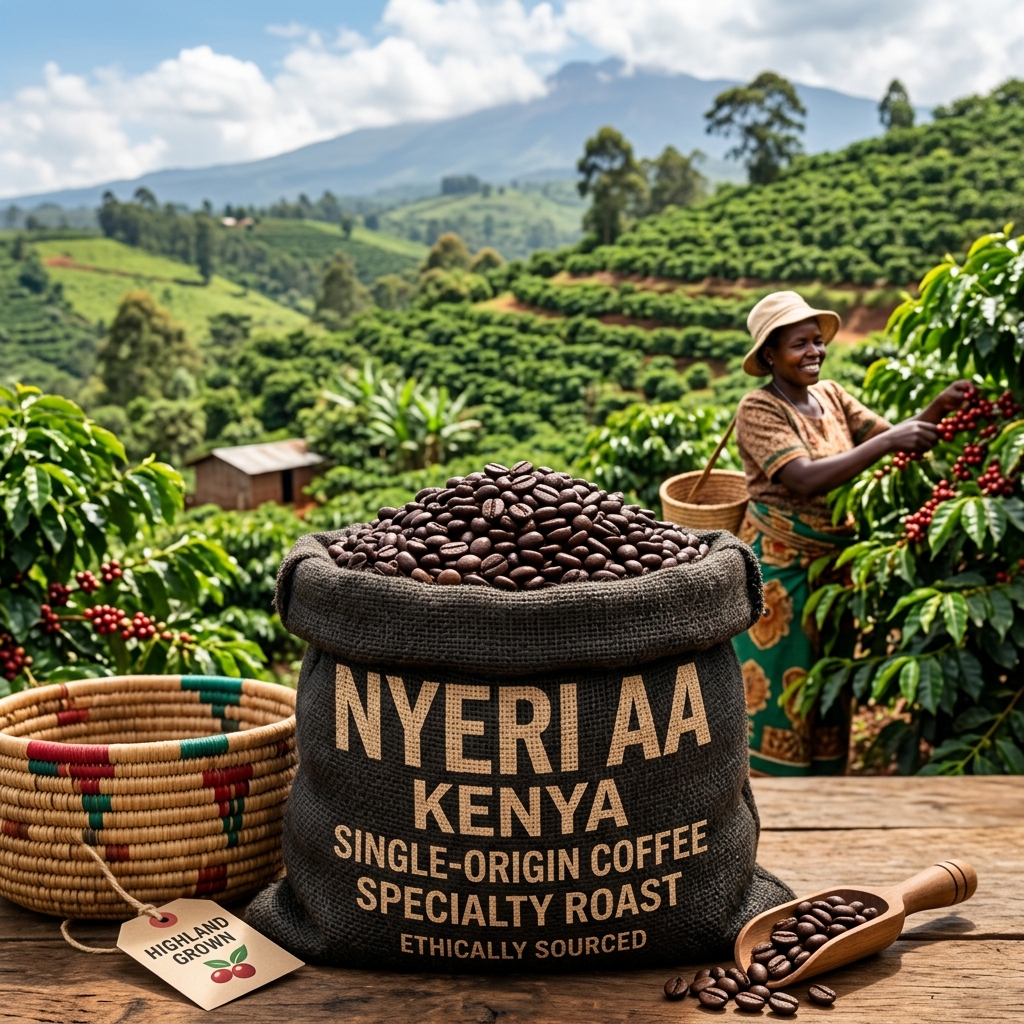
For green coffee buyers, quality managers, and specialty roasters seeking the pinnacle of East African Arabica, Nyeri Arabica AA represents the world standard for complex acidity and bold flavor intensity. Grown at extreme elevations along the high slopes of Mount Kenya, this iconic Screen 18 harvest yields dense, mineral-rich seeds celebrated for their electric phosphoric acidity, blackcurrant brightness, and syrupy body. Discover how Maytac International Partners provides direct, fully traceable access to export-ready Nyeri Arabica AA lots tailored for high-scoring specialty programs.
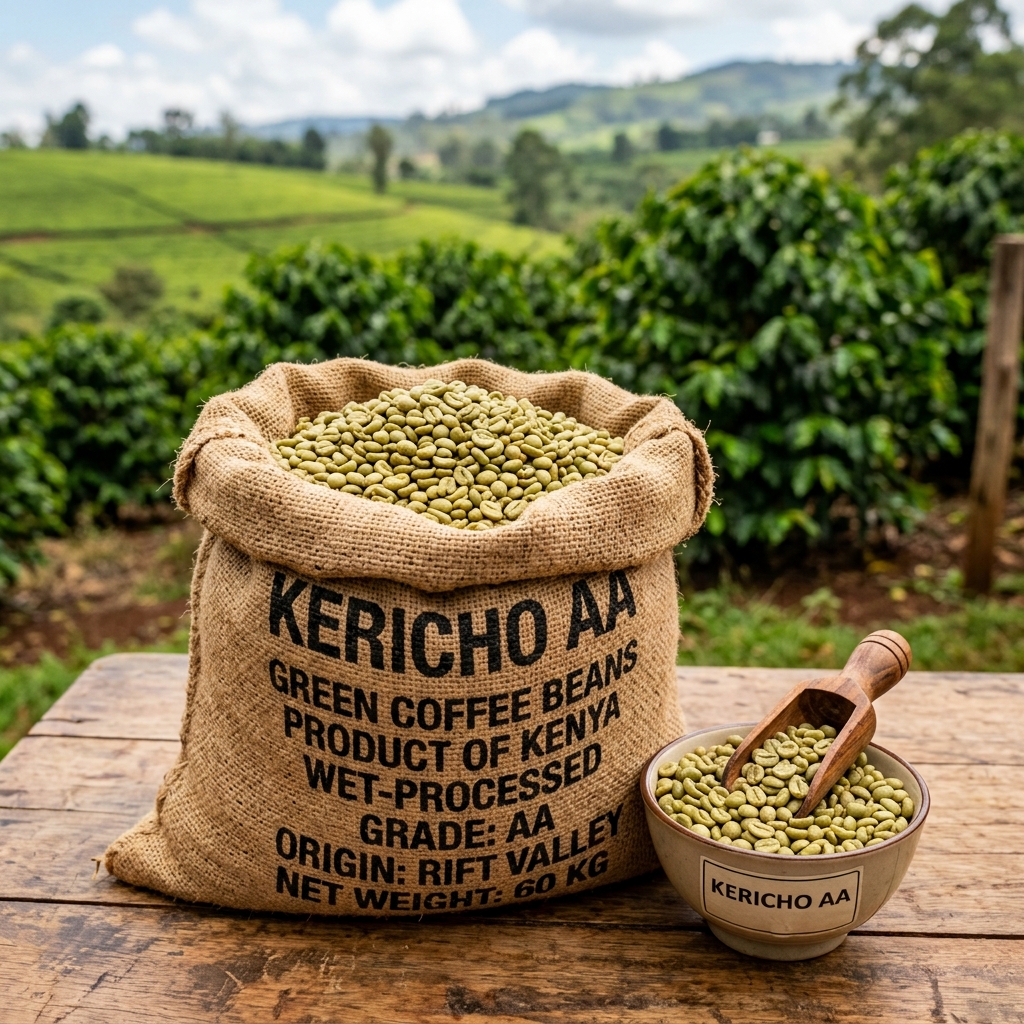
While Nyeri and Kirinyaga dominate headlines with intense phosphoric bite, Kericho County perched on the western rim of the Great Rift Valley produces one of Kenya's most balanced, versatile, and approachable specialty cups. Driven by volcanic soils, elevations up to 2,000 meters, and a double-washed processing tradition, Kericho Arabica AA combines premier Screen 17/18 physical density with structured malic acidity and rich stone fruit sweetness. For specialty roasters, adding Kericho AA unlocks exceptional roast control, reliable 81–88 SCA scores, and high-margin versatility across filter and espresso programs.
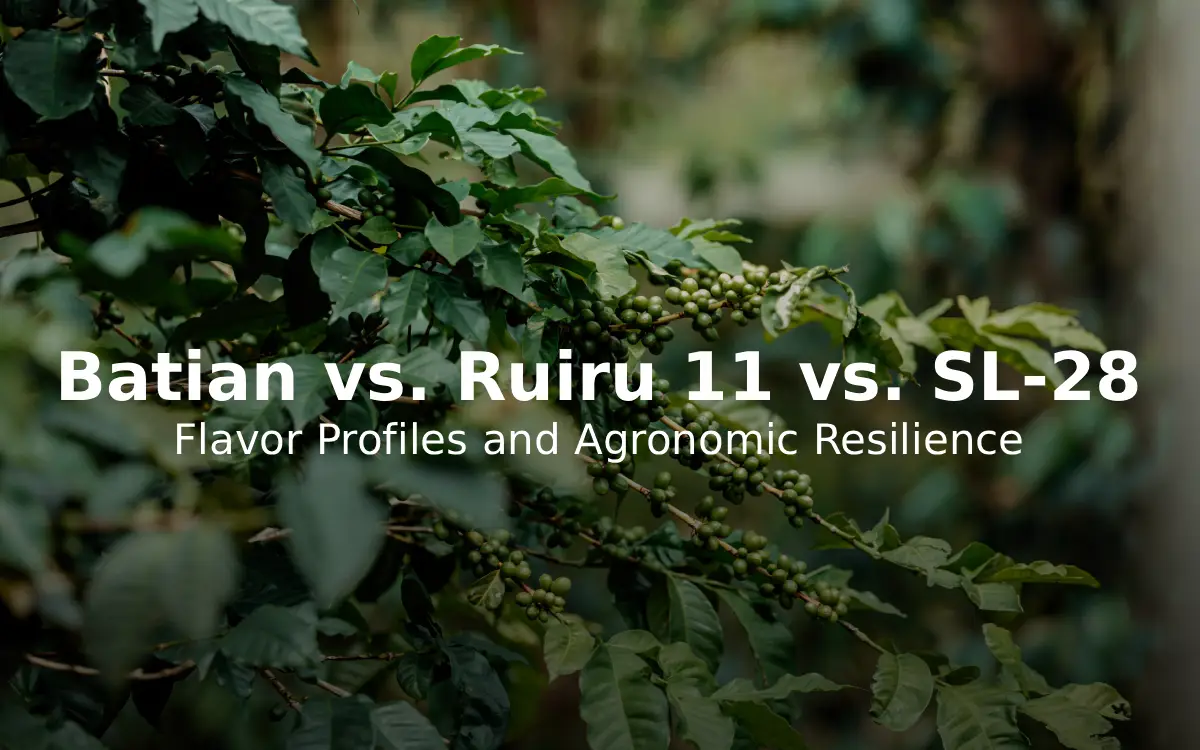
Kenya’s world-renowned cup profile is defined by its unique botanical history and cutting-edge agronomic research. From classic drought-tolerant heritage selections like SL-28 and SL-34 to modern, disease-resistant hybrids like Ruiru 11 and Batian, each cultivar presents distinct physical characteristics, yield dynamics, and sensory structures. For green coffee buyers, quality specialists, and roasters, evaluating how these varieties balance agronomic resilience against high-scoring cupping potential is essential for making informed sourcing decisions and building sustainable, high-value specialty coffee offerings.
We use essential cookies for secure site operation. You can also allow analytics and marketing cookies for improved performance and ad relevance.